Hus in himile
Apocalyptic Songs from German Cloisters
(9th-11th centuries)
Benjamin Bagby: voice, harp
Jasmina Črnčič: voice
Norbert Rodenkirchen: flutes, harp
Ian Harrison: wind instruments
Duration: 75–80 minutes, without interval
Sung languages include: Old High German, Old Saxon, Old Icelandic and Latin. All sung texts in translation will be projected as surtitles.
From the time of Christianity's introduction into Europe until the end of the first millennium, apocalyptic images of the End of Time and the Last Judgement were widespread, both in texts and in the visual arts. These powerful Christian images, based largely on the Biblical Revelation of John, at times bear a remarkable similarity to the pagan-germanic description of the world's destruction during the final battle fought by the gods and giants of Norse mythology. It is a musical tradition steeped in mystery, with a special dreamlike quality, including descriptions of the celestial heavens but also firmly rooted in the violent world as it was known. There are also tender promises of a blessed afterlife, an end to sickness and suffering, and even a 'hus in himile' (home in heaven).
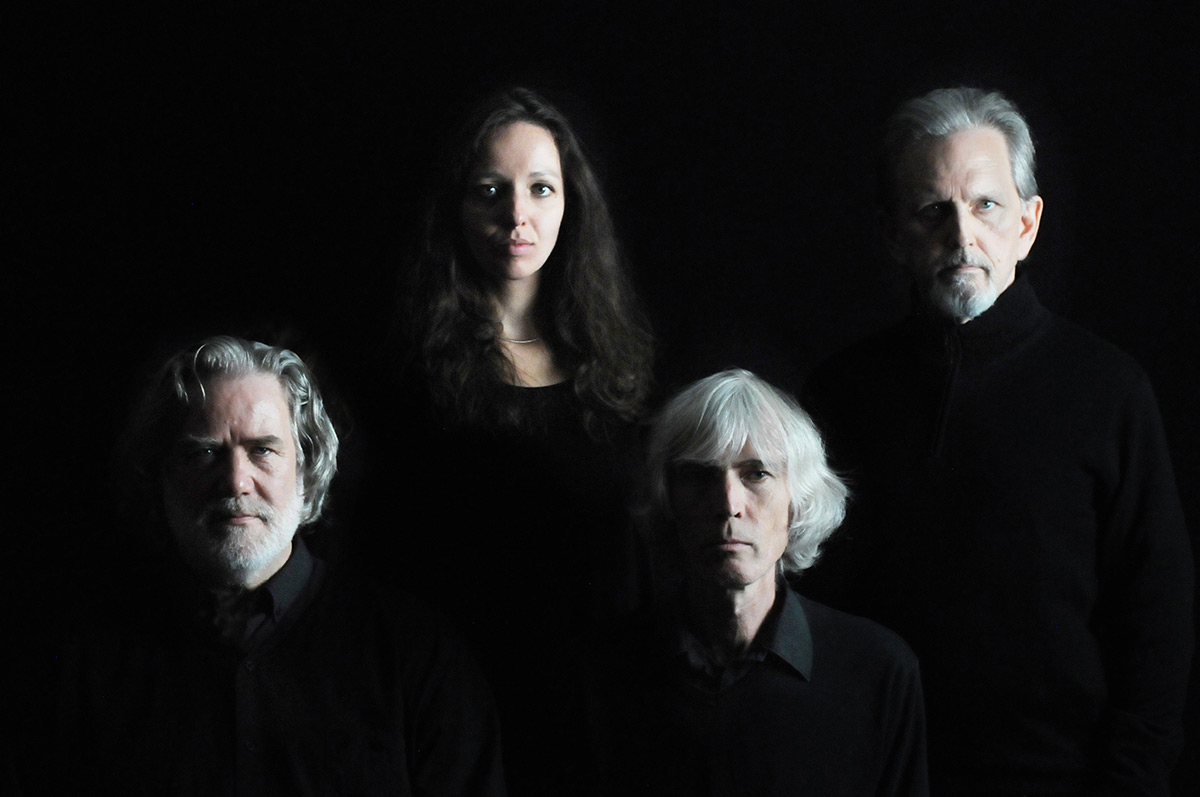
Norbert Rodenkirchen, Jasmina Črnčič, Benjamin Bagby, Ian Harrison
In a rebirth of the legendary program and CD, 'Fragments for the End of Time' (Endzeit Fragmente), Sequentia's vocalist/harper Benjamin Bagby und flautist Norbert Rodenkirchen are joined by vocalist Jasmina Črnčič and multi-instrumentalist Ian Harrison (Les Haulz et les Bas) to explore the musical world of these surprising, powerful texts from medieval Europe: the Old High German Muspilli (the name itself may be borrowed from the Norse), a complex poem which describes the waking of the dead, the battle of Elijah with the Antichrist, the workings of Satan, the horn calling to judgement, and warns of the uselessness bribery in that final courtroom; the doomsday prophecy of the Erythrean Sibyl (an acrostic text surviving only in Augustine's City of God) as sung originally in Aquitanian cloisters but certainly also known in German lands; the Alsatian monk Otfrid's German verses which give advice on how to prepare for the last day, when the world will end 'like a book snapped shut'; and the harrowing vision of the sorceress, the Völuspá, from the Old Icelandic Edda, a vision of the confrontation between the Norse gods and the Giants, the Ragnarök (final battle) which will utterly transform the world. In addition, Latin sequences are heard, creations by Notker of St. Gall and other monastic poets, describing a fantastical world of terrifying angels, dragons, and the power of redemption. These are songs from a thousand years ago and more, when men and women were expecting the world to end, and the singer's duty was to prepare them, warn them and yet also, to console.
The instruments used in this concert include reconstructions of Germanic harps (based on 7th century instruments from Oberflacht and Trossingen), copies of medieval transverse flutes, horns and other winds.